The Best Way to Double Down on Blackjack
The game was originally known as 21, blackjack is a game with French origins. The goal is to beat the dealer's hand and not exceed 21. If the dealer's hand is close to 21, the player loses. To play blackjack the player must have a better hand than the dealer's. Learn more about blackjack rules. We will discuss the fundamental strategy as well as the different types of hands you can make. This will allow you play the game with confidence.
Double down
When is the best time to double down on blackjack? Double down when you have a stronger hand than the dealer's. A dealer's 9 is the best way to double down. A dealer's 9 hands would be defeated by a 10, however an upcard with a lower value could result in you going bust. It is an ideal rule of thumb to only double down when you are certain you have an edge on your blackjack hand.
You can double down after splitting when your two-card hand is hard 10 or 11 (two cards without an ace). But, you are able to double down when the dealer's upcard is greater than your own. Basic strategy can help you decide which cards to split, and also which cards to stand on. You'll be better equipped to make the best decisions once you know when to double down.
Insurance
If you've ever played blackjack, you've likely encountered the side bet dubbed "Blackjack insurance." The name is derived from the fact that it offers odds equal to two-to-one on the dealer's second card. Although this side bet sounds like insurance, it's not. It's actually an equivalent to the term "sucker bet" - a bet which you should not make if you're a smart player.
Although most people think of insurance to be a wise investment, it is different for blackjack. Many gamblers shiver at the thought of taking out insurance on the chance to bet however, they're in the wrong. A lot of casino owners and players carry insurance to protect their investments. Many blackjack players might not know the difference. However, it's a great idea to be prepared for unexpected expenses and situations. It's also better than breaking even if you lose.
House edge
The edge of blackjack that is house-side is an important aspect in beating the house. The number of decks utilized, rules of the game, the penetration and a myriad of other factors could all affect the house edge. You can still gain an edge by learning basic blackjack strategy, even though casinos are determined to beat players. Arnold Snyder's "Blackbelt in Blackjack" is an ebook that explains the house edge, and how to maximize your chances of winning.
The house edge is the casino's percentage of profit, and can give you an idea of how much you could be losing by playing the game. The Return to Player percentage (RTP) is the opposite of the house edge. It is the ratio of winners compared to the stake amount. A higher RTP signifies that the casino will pay winners more money than they pay in. However it is important to note that the RTP is not always the same for all games.
Best hand
The best hand at blackjack is known as the blackjack. This is the starting hand, which is an ace and one of four other cards. It is almost impossible to 토토사이트 beat this hand, although it is possible to be tied if the dealer has an easy 20. This isn't a common combination however. There are many strategies to help you get this type of hand. Find out what the best hands are at blackjack. Enjoy the game and stay tuned for next time.
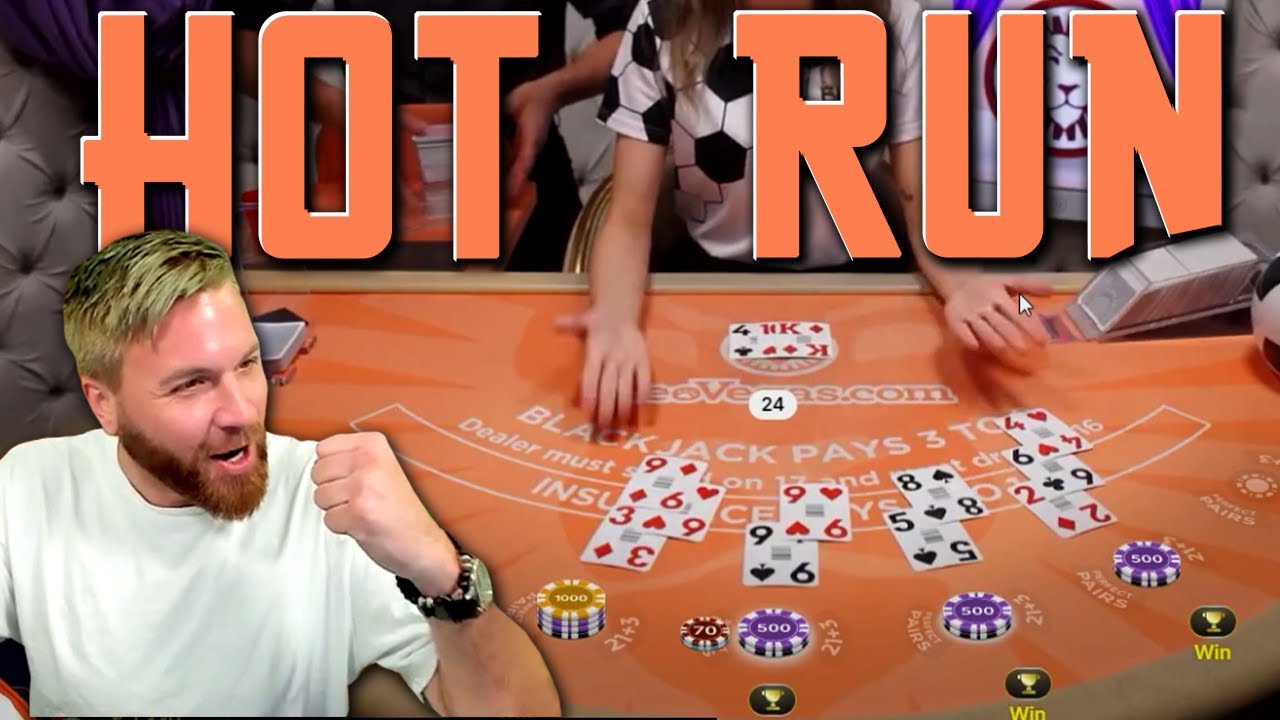
Double your bet or hit on your first two cards to increase your hand. But, you might not be in a position to improve your hand more than once. If you have two initial cards with the same value then you can stand. If you're playing an unworthy hand, you can split the cards to have the identical value. To split the cards, make an initial bet equal to the main bet, then ask the dealer for a second card.
Splitting
When choosing between splitting and doubling, many gamblers struggle with the decision. While splitting guarantees the player a better hand, it also reduces average losses. Pair splitting can make bad hands better. By double betting, a player increases the chance of winning the round. However, there are certain situations where splitting isn't a good option. Here are some of the common scenarios:
First, decide when it is appropriate for you to split your hands. The most ideal time to split a pair of hands is after the dealer has dealt the first hand. You should not split an Ace or an eight in the event that the two cards aren't matching. Splitting a 16 is also not a good idea, since it is weak both when it is in play and when it hits. But, you shouldn't split 5s, 4s or 10s. However, there are some situations where you should consider splitting two tens.